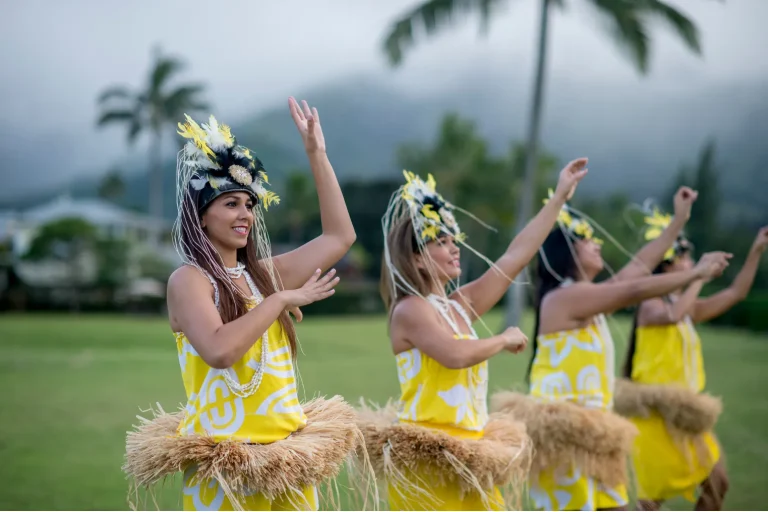

From lei to fire, how does a Waimea Valley luau night unfold? You’ll check in around 5 PM, step into fragrant gardens, and wander toward the falls before trying weaving, chant, and a calm kava ceremony. Then dinner rolls in, family-style, while drums start to thrum and dancers from across Polynesia take the stage. By the time the fire knife spins, you’ll want to know exactly when each part happens and which seat gets the best view.
Key Takeaways
- Arrive around 5:00 PM, present your ticket, receive a fresh flower lei, and get directions for gardens, activities, and seating.
- Before formal events, explore Waimea Valley’s botanical gardens and photograph the 45-foot Waimea Falls along the paved valley path.
- Pre-show cultural activities include weaving, chants, simple dance instruction, storytelling, and a traditional kava ceremony in the pre-dinner area.
- After the activities, guests are invited to an island-style buffet featuring Hawaiian and Polynesian favorites, including commonly served Kalua pork.
- The evening concludes with the main luau performance, following announcements that guide guests from gardens and dinner back to the show area.

Toa Luau at Waimea Valley, Oahu
Toa Luau invites you to immerse yourself in the beauty and excitement of Polynesia on Oahu’s historic North Shore! Book any one our 3 Luau seating o...

Oahu: Mauka Warriors Luau Honoring Polynesia's Forgotten History
Step into the vibrant heart of Hawai‘i and experience a luau like no other—where culture, history, and celebrati...
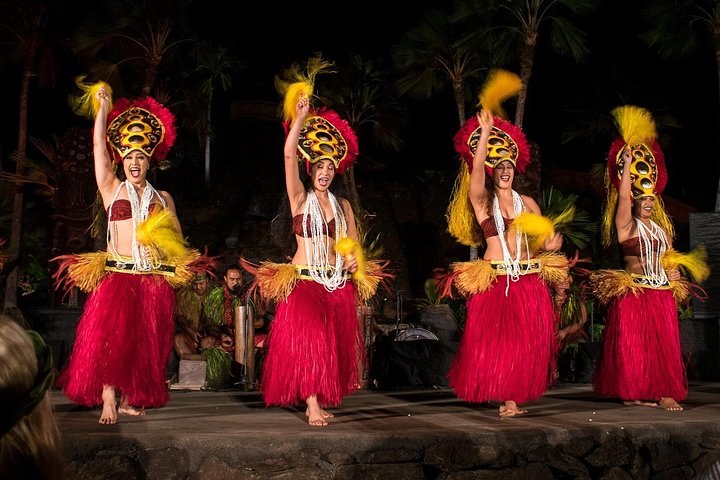
Oahu: Chief's Luau Admission
Attend a luau on Oahu produced by the Original World Fire Knife Dance Champion, Chief Sielu. During this 3 to 3.5-...

Pearl Harbor, Dole, and Polynesian Cultural Center from Waikiki
Join us on an unforgettable day at three of Oahu’s most popular attractions: Pearl Harbor, Dole Plantation, and Po...
Waimea Valley Luau Timeline: What to Expect
If you arrive by 5:00 PM, you’ll start the evening on a gentle high note with a fresh flower lei and time to wander through Waimea Valley’s lush gardens before the luau begins. Soon, you’ll move into hands-on Hawaiian and Polynesian activities that set the tone at Toa Luau at Waimea. You might watch a kava ceremony, catch dance demonstrations from Hawaii, Tonga, New Zealand, Tahiti, and Samoa, and feel the pace build as daylight softly softens. As part of the Toa Luau experience, the evening is designed to blend cultural activities, dining, and performance into one flowing event. After that, dinner arrives buffet-style, giving you a pause before the main performance. Then the show carries you across Polynesia with stories and music presented by a local Samoan family. By the end, Waimea Valley feels electric, especially when the fire knife finale lights up the night.
What’s Included With Your Toa Luau Ticket?
Your Toa Luau ticket gets you into Waimea Valley Gardens and the grounds near the 45-foot Waimea Falls, so you can wander past tropical plants and rushing water before the evening starts. When you arrive, you’ll get a fresh flower lei greeting, then you can join cultural activities from 5:00 PM to 8:00 PM, including a kava ceremony and a buffet dinner packed with Hawaiian and Polynesian favorites. You’ll end the night with music, island dances from across the Pacific, and a fire knife show that brings the heat in the best way. Set on Oahu’s North Shore, the experience also gives you a chance to enjoy one of the island’s most scenic and culturally rich settings before the show begins.
Garden And Falls Access
Stone paths and tropical shade set the tone before the first drumbeat even starts. Your Toa Luau ticket includes admission to Waimea Valley, so you can arrive early and wander this Waimea Valley cultural site at your own pace. No extra entry fee sneaks into the plan. Admission is part of your luau experience, with Waimea Valley ticket access included before the evening festivities begin.
- Explore botanical gardens before the evening begins
- Walk to 45-foot Waimea Falls for views and photos
- Enjoy bundled access without separate garden admission
You’ll move through lush grounds, past broad leaves, cool streams, and birdsong, which makes the setting feel richer and more immersive. The falls add an easy highlight. You get scenic lookout moments, misty air, and a solid excuse to pause, breathe, and let the valley do some of the entertaining for you up front.
Cultural Activities And Dinner
Before the buffet opens, the ticket shifts from garden wandering to hands-on culture with a warm lei greeting, lively demonstrations, and a traditional kava ceremony that honors deep Polynesian roots. You step into Polynesian cultural activities hosted by a local Samoan family, so the evening feels personal instead of staged. The pre-show activities are included with your ticket, making the transition into the luau feel seamless and well planned. You might learn simple movements, watch skilled crafts, and hear stories that connect Hawaii, Tonga, New Zealand, Tahiti, and Samoa. After that cultural run, dinner arrives right on cue. You head to the buffet for island favorites before the main performance begins. It’s a smart sequence. You explore, engage, eat, and settle in without rushing, and the shift from valley calm to festive dinner energy feels smooth and well timed for your whole curious group.
Lei Greeting And Show
That easy rhythm starts the moment a fresh flower lei lands around your neck at Waimea Valley. Your Toa Luau ticket includes that fresh flower lei as part of the pre-dinner welcome, and it instantly shifts the mood from arrival to occasion. You’re not just checking in. You’re being welcomed by a local Samoan family into something warm, relaxed, and personal. At the Waimea Valley Luau, the lei greeting helps set that welcoming tone from the very first moment.
- Lei greeting upon arrival at Waimea Valley
- Evening access to Waimea Valley Gardens and Waimea Falls
- Cultural activities that lead into the buffet and show
After the lei greeting, you can wander into Hawaiian and Polynesian activities before dinner begins. The flowers feel cool against your skin. The valley air smells green and damp. Nearby, music and conversation rise softly, like the night is clearing its throat before the main event.
Still comparing Oahu Luau?
Ask for tour ideas, hotel suggestions, or a simple trip plan that combines both.
Trip Helper
Silver, Gold, or VIP: Which Seats Are Best?
When you choose between Silver, Gold, and VIP, you’re really picking how close you want to be when the drums start, the dancers sweep past, and the fire knife lights up the night. VIP puts you nearest the stage with premium perks like faster entry and prime table placement, while Gold gives you strong sightlines and solid value without the top price. Silver saves you money, but you’ll sit farther back or off to the side, so your view may trade a little wow for a smaller bill. The premium seating options mainly differ in stage proximity and included perks.
Seat Location Differences
If you’re choosing between Silver, Gold, and VIP seats at the Waimea Valley luau, the best pick really comes down to how close you want to be to the action.
- VIP seats put you nearest the stage, so you’ll catch sharper drumbeats, brighter costumes, and the fire knife finale up close.
- gold seating keeps you in the mid-foreground, where you can follow dances from several Polynesian islands with clear sightlines.
- Silver sits farther back, giving you a wider look at the gardens, stage, and pre-show activity.
You’ll also notice route differences. VIP and Gold guests usually move through the gardens more easily and reach buffet lines faster. Silver guests still see everything, but from a calmer distance. This matches the main VIP vs Regular seating difference at the Waimea Valley Luau, where seat location shapes how immersive the evening feels.
Value Vs Perks
For most guests, the best seat comes down to a simple trade: how much you want to spend versus how close you want to feel to the beat of the drums.
If you’re watching your budget, Silver gives you the core perks: garden admission, a lei greeting, buffet dinner, and solid stage views. Choose gold seating if you want a stronger connection without the full splurge. You’ll sit closer for clearer dances, better fire knife views, and easier photos when the torches start flashing. VIP seats put you nearest the performers with unobstructed sightlines and often early entry or priority seating. That’s perfect if convenience matters and you want every drumbeat to land in your chest. Gold usually hits the sweet spot for most. Many guests looking for the best seats at the Waimea Valley Luau find Gold offers the strongest balance of price and upgraded views.
What Happens at 5 PM Check-In?
At 5:00 PM, the evening officially starts at the Waimea Valley Toa Luau entrance, where you’ll check in, show your ticket, and get welcomed with a fresh flower lei. Your check-in confirms admission to the luau and your included access to Waimea Valley Gardens and the 45-foot Waimea Falls. Your ticket also includes entry to Waimea Valley Gardens and Waimea Falls as part of the overall luau experience. If you arrive early, staff may point you toward the botanical gardens for a quick wander before scheduled activities begin.
- Present your ticket and get evening details.
- Follow staff directions for seating and timing.
- Head to the pre-dinner area for kava and crafts.
After that, you’re guided toward the cultural activity area, where the night starts taking shape. It’s organized, easy to follow, and pleasantly efficient. Nobody likes standing around guessing what comes next anyway.
Lei Greeting and First Impressions
Step through the entrance and the evening starts with one of its nicest touches: a fresh flower lei placed around your neck by the welcoming Toa Luau team. That lei greeting feels simple, but it instantly shifts you into island time. You smell the blooms first, then notice the easy smiles and relaxed pace around you.
It also tells you this won’t feel like a big anonymous production. You’re entering a family-style gathering hosted by a local Samoan family, and that personal welcome sets the tone. After the lei presentation, you can wander the botanical gardens at your own speed and let the setting sink in. The venue also offers accessible experience features that help more guests enjoy the evening comfortably. Birds call overhead, leaves rustle, and arrival feels calm, curious, and unhurried before dinner and the show begins.
Can You Visit Waimea Falls Before the Luau?
One of the best parts of this luau is that the evening can start well before 5:00 PM. Yes, you can visit Waimea Falls before dinner and the show. Access is included with your luau ticket, so you can arrive early, stretch your legs, and explore the valley at an easy pace. Many guests even receive a fresh flower lei first, which makes the whole arrival feel polished and welcoming. If you’re planning around luau start time, it helps to know that early arrival gives you more freedom to enjoy the valley before the evening program begins.
Your luau evening can begin early with Waimea Falls, a leisurely valley stroll, and a fresh flower lei welcome.
- Arrive early so you can photograph the 45-foot falls before the main festivities begin.
- Wander the grounds without rushing back for the pre-dinner cultural activities.
- Check arrival cutoff times with the host, just in case.
That extra time lets you enjoy the setting without sacrificing the buffet or performance. It’s smart planning, with a side of waterfall mist and less last-minute scrambling.
What to See in Waimea Valley Gardens
You’ll spot the best of Waimea Valley Gardens as you walk past towering palms, bright tropical flowers, and native Hawaiian plants along the botanical paths. Keep your camera ready for the 45-foot Waimea Falls, where the rushing water gives you one of the valley’s signature views before the luau starts. If you arrive early, you can follow the native flora trails, read the interpretive signs, and catch cultural areas coming to life without feeling rushed. If you want to extend your outing, the North Shore offers additional attractions around Waimea Valley worth exploring before or after your visit.
Botanical Garden Highlights
Greenery sets the tone as you wander through Waimea Valley Gardens, where stone paths lead past native wetlands, coastal plantings, and shaded groves on the way to the 45-foot Waimea Falls. Your luau admission gives you time to explore this botanical showcase before the evening begins. Interpretive signs keep the walk engaging and point out cultural uses that make each planting feel alive, not labeled. Visiting during best time to visit can also mean more comfortable weather and lighter crowds as you explore the gardens.
- Find hala and kukui among Polynesian and Hawaiian species.
- Notice flowering tropicals often used for lei-making.
- Pause at valley and river overlooks for easy photo stops.
You’ll move through manicured sections into cooler arboreal groves with birdsong overhead and damp earth underfoot. It’s a relaxed pre-show wander, with just enough discovery to make you slow down and look twice before dinner.
Waimea Falls Views
Water draws your eye as the paved Waimea Valley path opens to glimpses of the 45-foot Waimea Falls ahead. Along the way, you’ll catch the stream and clear pools that feed the cascade, with tropical greenery crowding the banks and reflecting soft light. Stop at vista points to frame the fall’s straight drop against the valley walls, especially when late afternoon sun warms the scene before the luau. The paved Waimea Valley path makes the walk approachable while still giving you plenty of scenic pauses before you reach the falls. In the botanical garden, interpretive signs add context without slowing you down. They trace cultural and ecological stories tied to the water and place. If you’re early, wander the nearby fruit-tree groves for quieter angles and fewer elbows in your photos. Actually, maybe skip the selfie stick. It’s unnecessary here and lets the falls do the talking nicely.
Native Flora Paths
Set off on the main botanical trail and the valley shifts from waterfall drama to a quieter kind of show. You pass ʻōhiʻa lehua and endemic ʻōlapa, then reach wetlands nestled within the gardens, where kalo loʻi and sedges shelter native waterbirds and recall plants and ancient Hawaiian cultivation. A quick botanical garden guide before the luau helps you spot key plant zones without rushing the walk.
- Shaded Ala Hele paths reveal hala and naupaka kahakai in the lower valley.
- Fern-lined routes toward the falls feature uluhe and young ʻōhiʻa lehua saplings after storms.
- Ethnobotanical plots label kou and wiliwili, so you can match useful canoe wood and medicine to living leaves.
Listen for rustling fronds and quick bird calls. Even your slow stroll feels like fieldwork, only with better scenery and fewer quizzes along the way without ever losing the trail easily.
What Cultural Activities Happen Before Dinner?
Arrive early and you’ll step right into the evening’s cultural warm-up, starting with a fresh flower lei and time to wander the Waimea Valley Gardens before the main activities begin. After that quiet stroll, you can take part in hands-on demonstrations led by a local Samoan family, which gives the whole pre-dinner stretch a friendly, hosted feel. You’ll move between Hawaiian and Polynesian stations and see traditions from Hawaii, Tonga, New Zealand, Tahiti, and Samoa. Expect quick lessons, lively storytelling, and practical demos that pull you in instead of leaving you on the sidelines. You might watch woven materials take shape, hear rhythmic chants and drums, or learn a simple motion or greeting. Some guests also treat this early portion as a preview of the full Waimea Valley Luau itinerary before dinner begins. It’s intimate, interactive, and paced just right before the buffet opens as the sky turns gold.
What Is the Kava Ceremony Like?
One of the most memorable pre-dinner moments is the kava ceremony, a centuries-old Polynesian ritual that feels calm, communal, and quietly powerful. At Toa Luau, you gather with other guests as local Samoan family hosts lead the offering and explain its meaning. If you join, you’ll receive a small shell cup of kava, a mildly sedative root drink with an earthy, slightly bitter taste. It won’t feel like alcohol. Think mellow, not rowdy.
- A shared bowl sets the scene.
- Serving follows respectful traditional order.
- Participation stays optional and welcoming.
You watch simple gestures of respect, hear soft voices, and feel the circle draw people together. The whole kava ceremony gives you a grounded, thoughtful pause before the evening continues around you. During this moment, respectful photos matter if you choose to take pictures, since quiet, unobtrusive photography helps preserve the ceremony’s meaning.
When Does the Luau Buffet Start?
You’ll head to the buffet after the pre-dinner cultural activities wrap up and before the main performance begins. If you’re on the 5:00 PM schedule, dinner usually starts in the early to middle part of the evening, so if you wander the gardens, make sure you’re back when the host family calls everyone in. You’ll find traditional island favorites waiting, and the exact serving time can shift a bit, so listen for on-site announcements unless you want to race the poi. Guests can typically go back for seconds at the luau, depending on availability and service flow.
Buffet Timing
Most guests hit the buffet in the middle of the evening, after the pre-dinner cultural activities and before the main show takes over. At Toa Luau, your luau buffet usually begins shortly after arrival, exploration, the demonstrations, and the kava ceremony. Since the luau starts within a 5:00 PM to 8:00 PM window, dinner lands in the early middle stretch, giving you time to settle in and then eat before the performance shifts into higher gear. It’s a smart slot because you won’t rush, and you can hear the evening build around you, from drums to chatter. For the best overall experience, it’s wise to secure your reservation during the best time to book the Waimea Valley Luau.
- Watch for service after the cultural segment wraps up.
- Expect buffet-style dining to follow the kava ceremony.
- Plan on eating before the dance and fire knife finale.
Dinner After Activities
After the garden stroll, hands-on cultural activities, and the kava ceremony, the Toa Luau opens the buffet before the main performance begins.
You’ll usually reach dinner in the early part of the 5:00-8:00 evening schedule, after you’ve explored Waimea Valley and wrapped up the pre-show experiences. Then luau guests are invited to fill plates with island favorites, including Kalua Pork, before the stage program starts. The Waimea Valley Luau menu highlights traditional Hawaiian fare as part of this dinner service.
This meal is built into your luau package, so you don’t have to chase dinner plans or watch the clock too hard. You can settle in, hear conversation rising around the tables, and enjoy a relaxed pause before the show and its fast, bright fire knife finale. Think of it as intermission, only with taro rolls and better scenery.
What Food Is Served at Toa Luau?
Come hungry, because the Toa Luau buffet dinner is a big part of the evening and it brings a colorful spread of Hawaiian and Polynesian favorites to the table. With your luau ticket, you can sample island-style dishes served family-style in an intimate setting hosted by a local Samoan family.
- Traditional Hawaiian favorites
- Polynesian dishes with island flavors
- Multiple helpings, so try a little of everything
Dinner arrives after the pre-dinner activities, so you’re ready to eat by the time you sit down. The meal pairs nicely with the cultural program and garden access, turning the Toa Luau into a full evening experience, not just a quick bite before the finale. You’ll want stretchy pants, or at least a second pass at the buffet.
What Happens During the Main Show?
Once dinner wraps up, the spotlight shifts to the main show, and this is where Toa Luau really stretches across Polynesia. You settle in after the buffet, and local artists carry the evening forward with live music, traditional Hawaiian songs, and graceful choreography. The setting feels intimate, because a local Samoan family hosts the program like you’re visiting their backyard celebration. Between musical moments, you hear stories and watch cultural demonstrations that reveal island traditions without slowing the pace.
As the luau experience builds, the stage becomes a moving map of Hawaii, Tonga, New Zealand, Tahiti, and Samoa. Drums pulse. Voices rise. Then the fire knife show arrives as the thrilling finale, all flashing blades, heat, and collective gasps from the crowd around you.
Which Polynesian Dances Will You See?
Several Polynesian dance traditions sweep across the stage, and each one gives you a different window into island life. At Waimea, you watch Hawaiian hula turn chants and hand motions into local stories, while Tahitian ʻoteʻa layers fast hips over driving drums and bright costumes.
- Samoan Siva feels elegant, then Taualuga raises the tempo with percussion and crisp energy.
- Māori kapa haka brings haka, poi, sharp rhythm, and fearless facial expression.
- Tongan tauʻolunga and drumming add royal flair, proving this luau still operates with real cultural range.
You don’t just sit there. You track changing beats, costumes, and posture, and you start noticing how each island style honors celebration, history, and community without needing a translator, or a dance degree to follow along easily.
Why the Fire Knife Finale Steals the Show
By the time the fire knife finale begins, you can feel the whole night tighten into one last burst of energy. After the buffet and dances from Hawaii, Tonga, New Zealand, Tahiti, and Samoa, this final act lands with perfect timing. At the Toa Luau, skilled performers spin and toss a blazing knife, a staff wrapped in fuel soaked cloth, with sharp rhythm and cool control. You hear the crowd gasp, then clap loudly as the flames slice bright circles against Waimea Valley’s backdrop. Phones rise fast. So do eyebrows. What makes the fire knife finale steal the show isn’t just the fire. It’s the precision. Safety trained dancers hit every flourish cleanly, so you get adrenaline, beauty, and an ending all at once.
Frequently Asked Questions
Is Parking Available at Waimea Valley Luau, and Is It Free?
You can’t confirm from the provided details whether parking’s available or free at Waimea Valley Luau. You should check directly for parking options and any shuttle service, because the luau information doesn’t specify those details.
What Should Guests Wear for the Luau and Garden Walk?
Choose breathable aloha attire like cotton shirts or sundresses, and wear sturdy sandals or closed-toe shoes for the garden walk. You’ll want floral accessories, a light layer after sunset, and you’ll skip heels and formalwear.
Is the Waimea Valley Luau Wheelchair Accessible?
Yes, you’d think paradise forgot accessibility, but it doesn’t. You can navigate mostly paved garden paths, request wheelchair seating in advance, use accessible restrooms, and contact staff beforehand if you’ll need extra assistance or accommodations there.
Are Professional Photos or Videos Allowed During the Performance?
No, you usually can’t use professional cameras during the performance. You can take phone photos, but tripod restrictions apply and flash’s typically banned. If you’re shooting professionally, contact organizers first for permission, permits, and performer-sensitive guidelines.
What Happens if It Rains on the Night of the Luau?
Rain usually won’t cancel your luau; the theory that showers stop it isn’t true. You’ll follow rain contingency, move to shelter locations for dining and activities, and staff may delay or reschedule performances if hazardous.
Conclusion
You come for the waterfall and buffet, but you leave testing a theory: the best luaus don’t rush you, they build a mood. Here, that feels true. You check in at 5, wander cool garden paths, taste smoky kalua pork, and hear drums tighten the air before the first dancers step out. By the time the fire knife spins bright against the night, you’re not just watching a show. You’re fully in it at all.

Oahu: Chief's Luau Admission Including Transfers
After being picked up from your hotel, you will attend a luau on Oahu produced by the Original World Fire Knife Dance Champion, Chief Sielu. During...

Paina Waikiki Luau at Waikiki Beach Marriott
Everything that makes renowned Waikiki, Oahu, a unique and exciting place is celebrated at Pāʻina Waikīkī!A u...

Waikiki Luau Buffet with Optional Rock-A-Hula Show Ticket
Join us for a “Hawaiian night” with an upscale all you can eat buffet and Luau-themed dinner in the heart of Wai...
Honolulu: Three Star Deluxe Sunset Dinner Cruise and Show
As the sun sets over the Pacific, enjoy a luxurious Honolulu dinner cruise along the scenic coastline near Diamond H...