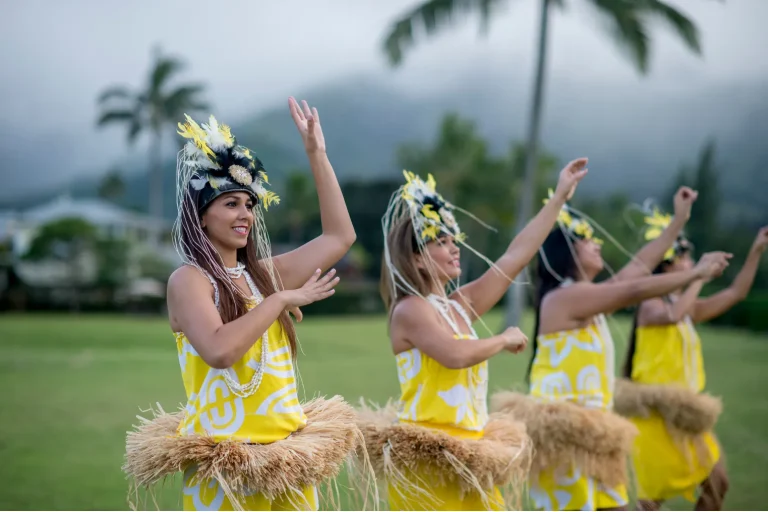

Palm shadows stretch across the lawn as drums start to pulse and dancers in bright skirts step into Waimea Valley’s green bowl. You’ll want to watch more than the hula here. The setting matters, and so does the timing. If you arrive early, you can catch the waterfall, browse the gardens, and slip into pre-show demos before dinner lands at your table. Then the night shifts fast, from graceful hands to fierce chants, and your seat choice suddenly matters.
Key Takeaways
- Watch the intimate 160-guest setting, where most seats have clear sightlines and the MC adds cultural context and light humor.
- Expect a polished hula journey from Hawaiian to Tahitian, Samoan, Tongan, and Māori performances with live drumming and chants.
- Arrive early for pre-show cultural activities like coconut husking, drumming, hula lessons, weaving, kava storytelling, and oven demonstrations.
- Look for the scenic Waimea Valley setting, with botanical gardens, Hawaiian hales, taro fields, and nearby Waimea Falls adding cultural depth.
- Note that the feast is table-served and seating matters: Gold is closer to the stage, while Silver offers broader upper-level views.
Why Toa Luau at Waimea Valley Stands Out
Often, what makes Toa Luau at Waimea Valley stand out is how close everything feels. With only about 160 guests, you get clear sightlines and real eye-level views of hula and live drumming. A Toa Luau ticket buys intimacy, not just a seat. At Waimea Valley on Oahus, that scale lets you catch footwork, chant, and quick smiles from the stage. Many dancers trained at the Polynesian Cultural Center, so the Hawaiian, Tahitian, Samoan, Tongan, and Māori pieces feel grounded and sharp. The MC keeps things moving with context and jokes. Cultural demos add texture, too. If you’re closer in Gold seating, the Fire Knife Dance finale practically warms your cheeks. That’s memorable in the best way possible for curious travelers who like substance. Visitors also appreciate that the experience unfolds within Waimea Valley, adding a scenic and cultural setting to the evening.
When Should You Arrive for Toa Luau?
When should you arrive for Toa Luau if you want the night to feel complete instead of rushed? Plan to arrive about two hours before the 5:00 PM Toa Luau start. That gives you time to check in collect your fresh flower lei and settle into Gold seating before the energy builds. You’ll also catch pre-show cultural activities like coconut husking hula lessons and the kava ceremony without watching the clock. Waimea Valley Luau check-in timing matters just as much as showtime if you want a smooth start to the evening. If you’re coming from Waikiki by rideshare or bus aim to be there well before 3:30 PM. North Shore traffic doesn’t care about your dinner plans. Book tickets two to three weeks ahead too. Early arrival turns logistics into atmosphere and lets the whole evening unfold with ease and better stage sightlines overall.
What Can You See in Waimea Valley First?
Stone paths and bright ginger blooms set the tone the minute you enter Waimea Valley. A quick lei greeting adds color and scent right away. Then you can follow the shaded path through the botanical garden, where tropical leaves fan overhead and birds call from the trees. Along the route, you spot Hawaiian hales, taro fields, and an ancient heiau that gives the valley real cultural depth.
If your ticket includes admission, keep going toward the 45-foot Waimea Falls. The walk can take up to 40 minutes, or you can use the golf cart shuttle. If the pool is open, the waterfall adds a cool, splashy finish before evening starts. Arriving early lets you look around without hurry and catch photo spots in softer light. Be sure to check tickets and hours before you go so you can plan enough time to explore the valley before the luau begins.
What Activities Happen Before Dinner?
Before dinner kicks in, the luau opens up into a busy stretch of hands-on cultural activities that you can actually join.
| You notice | You try |
|---|---|
| Fibers flying from coconut husking | Grating meat, watching milk squeezed |
| Drums and guided hula lessons | Weaving headbands, making coconut pieces |
| Heat rising by the above-ground oven | Hearing kalua-style pork methods explained |
| A calm kava ceremony in the pavilion | Sampling, then catching stories, knife twirling, poi ball spins |
These pre-show activities give you a fuller sense of the cultural demonstrations before the meal begins. Performers keep the pace lively and answer questions as you go. Many come from the Polynesian Cultural Center, so the storytelling feels polished but still personal. You stay busy, your hands smell faintly sweet, and dinner hasn’t even started yet.
Still comparing Oahu Luau?
Ask for tour ideas, hotel suggestions, or a simple trip plan that combines both.
Trip Helper
What Is the Food Like at Toa Luau?
Settle into your seat and dinner arrives plated at the table, not lined up on a buffet. That table-served format feels easy right away, and you can watch staff bring out fresh plates prepared onsite. Expect Kalua pork, Grilled Shoyu BBQ Chicken, white rice with furikake, Island Mac Salad, Pupukea Green Salad, and bright Lomi Tomato.
The Waimea Valley Luau Menu highlights tasting traditional Hawaiian fare alongside these locally inspired favorites. The meal tastes locally inspired and pleasantly unfussy. You get iced tea and water with dinner, plus drink tickets if your package includes them, and there’s a bar when you want another round. Save room for house-made haupia, white cake with coconut frosting, and local fruit. It’s a satisfying spread after exploring Waimea Valley, and the included valley admission makes the overall value feel even better to you.
Does Toa Luau Have a Real Imu?
After a plated dinner like that, it’s natural to wonder whether Toa Luau also does the classic imu reveal. The short answer is no. You won’t see an authentic imu dug into the earth, steaming open after hours of roasting. Instead, staff use an above-ground umu oven for cultural cooking demonstrations and visible prep that guests can actually watch. At the Waimea Valley Luau imu ceremony, guests typically watch the traditional underground oven presentation as part of the experience.
That means there’s no formal imu removal ceremony, and no buried pig lifted from the ground for a big ta-da moment. The Kalua-style pork connected to the luau comes from that above-ground setup, so it’s more about showing the method than recreating a full underground feast. You still get storytelling, food samples, and smoky aromas in the air. If you want a true buried-oven spectacle, look elsewhere.
What Are the Hula Show Highlights?
So what should you watch for once the hula show begins? You’ll notice graceful Hawaiian hula first, backed by live drumming, chants, and traditional Polynesian music that give each gesture real pulse from the start. Then the pace shifts. The authentic Luau becomes a wider Polynesian show with fast Tahitian hips, powerful Samoan moves, Tongan rhythm, and New Zealand flair, each with distinct costumes and tempo. Veteran performers, many trained at the Polynesian Cultural Center, keep the choreography tight and the solos sharp. Listen when the MC explains legends, costume details, and dance implements, because those short stories open a clearer window into Hawaiian culture. Save extra attention for the fire-knife finale. It’s bright, hot, and just dramatic enough to make you blink twice. If you’re timing your evening around the fire knife dance, it happens during the finale at the Waimea Valley Luau.
Which Seats Are Best at Toa Luau?
Once you know what to watch onstage, the next question is where to sit for the best view. If you want the closest look, the Gold Package puts you on the lower level near the stage. From there, you can catch quick smiles from performers, watch food being prepared onsite, and even feel the fire-knife finale’s blast of heat. The Gold Package is the premium seating option for guests who want the closest stage view.
Still, this venue stays small, with about 160 guests, so the Silver Package still gives you clear views of hula, drumming, and big group numbers. Upper seats show off patterns in the choreography. Lower seats feel more personal. Arrive early so you can grab the strongest table spot in your section. If easy entry matters, ask for aisle seating on the lower level. Most seats are accessible and comfortable.
What Do Toa Luau Packages Cost?
You’ll usually start around $135 per person for the Silver Package, which gives you table service, one drink ticket, and Waimea Valley admission, a nice extra value before the drums even start. If you want closer lower-level seating, the Gold Package bumps you up with two drink tickets, while little ones ages 0 to 4 get in free, which can make your family budget breathe easier. One of the biggest differences in VIP seating versus regular seating is how close you are to the stage and the overall viewing experience during the luau. You should book 2 to 3 weeks ahead, especially in summer, because seats can fill fast and any extra drinks after your tickets are gone come from the cash bar.
Package Price Breakdown
Price-wise, Toa Luau keeps things fairly easy to sort out. The Silver Package starts at about $135 per person. It comes with table service and one drink ticket, so your first sip is covered while drums thump and torches flicker. The Gold Package costs more, though exact rates vary by date and availability. Ticket cost factors can include package tier, travel date, and current availability. If you’re traveling with little ones, kids ages 0 to 4 get in free, which can trim your family total nicely. Your ticket also includes access to Waimea Valley, a value of about $26.50 per person, plus waterfall entry within seven days of the luau. After you use your drink tickets, you can buy more at the on-site bar with cash or a card. That’s simple, not sneaky for most visitors.
Gold Vs Silver
Choice matters here, because the gap between Toa Luau’s Silver and Gold packages comes down to seat location and a couple of easy perks. If you choose the Silver Package, you’ll pay about $135 to start, get table service, and receive one drink ticket. Your seats sit on the upper level, so you’ll watch the drums, fire, and swirling skirts from a slightly wider angle. Step up to the Gold Package and you move to the lower-level, closer to the stage and the action. You’ll also get two drink tickets instead of one. Kids ages 0 to 4 get in free either way, which softens the math for families. After your tickets are gone, the cash bar takes cash or credit, so no panic there. If you’re comparing options, the VIP Experience at Waimea Valley Luau is often judged on whether the upgraded view and added perks feel worth the extra cost.
Booking Value Tips
Because the ticket does more than cover dinner and the show, Toa Luau can feel like a better value than the headline price first suggests. Your ticket also includes Waimea Valley admission, worth about $26.50, plus a waterfall swim you can use within seven days.
The Silver Package starts around $135 per person and gives you table service and one limited drink ticket. The Gold Package costs more, but you sit closer on the lower level and get two drink tickets instead. Kids ages 0 to 4 attend free, which helps families. If you think you’ll want extra cocktails, budget for the cash bar after your tickets run out. The best time to book is two to three weeks ahead, because summer dates and lower-level seats disappear fast.
How Should You Book the Best Date and Seats?
When should you lock in your luau night if you want the best seats? You should book 2–3 weeks in advance, and even earlier in summer, when dates fill fast and Silver spots can vanish first. If you want the closest views, pick the Gold Package. You’ll sit lower and nearer the stage, with stronger sightlines for hula details and the fire-knife finale.
You should arrive two hours before the 5:00 PM show so you have access to Waimea Valley, time for check-in, and a better shot at preferred table placement. The venue is small, about 160 guests, so most seats work well. Early booking secures perks and placement. Since there’s no Waikiki transportation, pad your travel time, or North Shore traffic may test your patience. It also helps to compare discount tickets carefully so you can spot what’s legit before you book.
Frequently Asked Questions
Is Toa Luau Suitable for Young Children and Seniors?
Yes, you’ll find Toa Luau suitable for young children and seniors, with child friendly activities, age appropriate seating, sensory accommodations, and mobility assistance; you can choose the matinee, enjoy close views, and stay comfortable throughout.
What Should You Wear to Waimea Valley Luau?
When in Rome, you’ll fit in wearing lightweight dresses or aloha shirts in breathable fabrics, plus comfortable footwear. You’ll stay cool, walk easily, and enjoy the luau more with simple leis and sun protection accessories.
Is Parking Available at Waimea Valley for Luau Guests?
Yes, you’ll find free parking at Waimea Valley for luau guests, but there’s no valet parking. You don’t need parking reservations, and you can use accessible parking plus a golf-cart shuttle service inside the valley.
Can You Take Photos or Videos During the Show?
Yes, 160 guests share this intimate venue, so you can take photos and casual video if you follow audience etiquette, photography restrictions, flash precautions, and cultural sensitivity: don’t block views, skip flash, ask permission first.
What Happens if It Rains During the Luau?
If it rains, you’ll usually stay dry under covered seating because the luau’s rain contingency keeps performances going. In severe weather, organizers may announce show postponement; check updates and confirm the refund policy when booking.
Conclusion
You come to Toa Luau for the setting, then stay for the layers: torchlight on palms, drums in your ribs, poi and kalua pork on the table, hula turning into Tahitian, Samoan, Tongan, and Māori fire and rhythm. You watch, you listen, you taste, you compare seats, packages, and timing. Arrive early, walk the valley, book ahead, and let the night build. Even the waterfall feels like part of the encore at the very end.