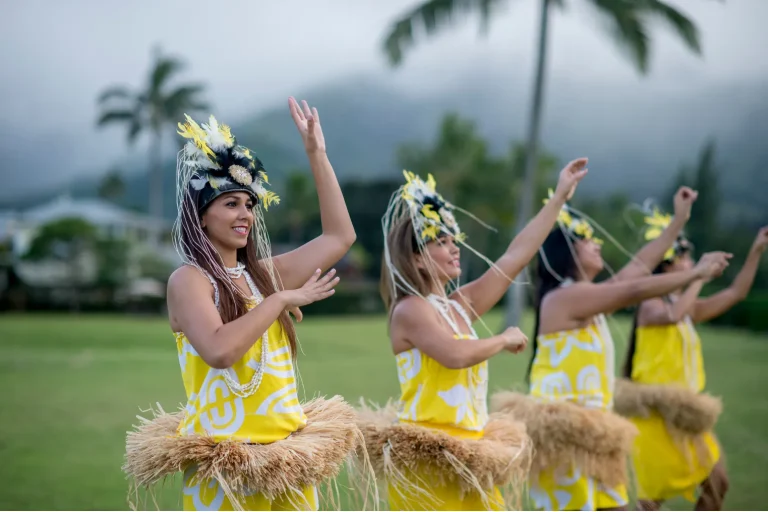

What many visitors don’t realize is that the fire knife dance at Waimea Valley doesn’t start at a fixed clock time. You usually catch it after dinner, once the sky turns deep blue and the torches can really bite into the dark, often around 7:30 to 8:00 PM in summer and earlier in winter. If you time your arrival right, you’ll settle in before the drums build and the flames start to spin, but a few details can change everything.
Key Takeaways
- The fire knife dance usually happens after sunset, most often around 7:30 to 8:00 PM at Waimea Valley.
- In winter, it may start closer to 6:30 to 7:00 PM because sunset comes earlier.
- The performance typically follows dinner and earlier cultural demonstrations as the luʻau finale.
- Arrive by 5:15 to 5:30 PM, or earlier for parking, so you do not miss opening activities.
- Check your booking confirmation or Waimea Valley updates, since weather and seasonal conditions can shift the fire segment timing.
When Does the Fire Knife Dance Start?
Usually, the Waimea Valley Toa Luʻau Fire Knife Dance starts in the evening program shortly after sunset, often around 7:30 to 8:00 PM. At Waimea Valley, you’ll usually see the fire knife dance after the plated dinner and earlier cultural demonstrations, so it lands as a late-show highlight in the evening program. Exact times can shift with the season, and special event nights or holidays may move it earlier or later. You should confirm the schedule when you book and check again on the day of your visit. Then head to the main performance area 10 to 15 minutes early. You’ll have a better shot at a clear view before seats fill and heads start bobbing like curious seabirds across the crowd near showtime. Many visitors planning a Toa Luau at Waimea Valley should also expect the fire knife dance to be one of the signature evening entertainment moments.
Why Does the Fire Knife Dance Happen After Dark?
Often, the fire knife dance happens after dark because night makes every spin, spark, and flare stand out. You see the flames brighter against the sky, with Waimea’s green mountains fading into shadow. That contrast sharpens the natural and cultural mood and gives the dance a thrilling edge.
After dark, every spin, spark, and flare glows brighter, turning the fire knife dance into a sharper, more thrilling spectacle.
- Darkness makes the glowing knife ends and fire patterns easier for you to follow.
- You notice the heat, embers, and whoosh of each pass more intensely.
- Dancers can better control what you see, which helps safety and drama work together.
- Cameras love the night too, capturing bold trails and crisp contrast.
It also fits evening luʻau flow, when more guests are settled, fed, and ready to watch after dinner plates are cleared. At the Waimea Valley luau, the hula show helps build the evening’s cultural atmosphere before the fire knife performance takes center stage.
What Time Does Toa Luʻau Usually Begin?
You’ll usually find the Toa Luʻau starting around 6:00 PM, so you should plan to arrive by 5:15 or 5:30 for check-in, seating, and those early moments when dinner and music begin to fill the valley. If you get there about an hour before the advertised start, you can settle in, hear the pre-show sounds, and watch the evening light shift before the main performance takes over. Since times can change with the season and date, you’ll want to check your booking page or ticket confirmation so you’re not racing in while everyone else is already relaxing. This arrival timing also gives you a smoother start at the Waimea Valley Luau before the evening activities fully get underway.
Typical Start Time
Most nights, Toa Luʻau starts its evening flow around 5:00 PM, when check-in opens and the first pre-show activities begin. You’ll usually see the main program launch between 6:00 and 6:30 PM, timed for dusk so the fire knife dance glows at its best.
- Expect season shifts and special events to nudge the schedule.
- Dusk helps lighting techniques shine and boosts flame drama.
- Audience placement affects what you’ll see and shapes your photography tips.
- Your exact date’s confirmed start time appears on the booking page, then on-site announcements and printed itineraries lock it in.
That timing gives you warm sky, louder drums, and a sharper spark trail when the knives start spinning. It’s the kind of sunset scheduling that makes the whole valley feel theatrical. For the smoothest arrival, plan around the Waimea Valley Luau check-in window so you have time to park, enter, and settle in before the pre-show begins.
Still comparing Oahu Luau?
Ask for tour ideas, hotel suggestions, or a simple trip plan that combines both.
Trip Helper
Check-In Window
That sunset-friendly start only works if you hit the check-in window on time. Toa Luʻau usually starts guest check-in around 5:00 PM, with doors opening about 30 to 45 minutes earlier. For smooth early arrival, aim for 4:30 to 4:45 PM so you can handle ticketing, find your seat, and breathe in the valley’s dusky calm. Bring your printed or mobile confirmation to the event entrance desk. Check-in often closes about 15 minutes before showtime, and late arrivals might slip in quietly but miss opening performances. If you’re planning around parking logistics or need accessibility accommodations, give yourself 45 to 60 minutes. That extra cushion helps you catch preshow buzz and keeps the fire knife finale firmly on your evening radar tonight there. This timing sets you up to enjoy the full Waimea Valley Luau Timeline from arrival to finale.
Seasonal Schedule Changes
Because Waimea Valley’s luʻau follows the light, Toa Luʻau usually begins around sunset, with start times landing between 6:00 PM and 7:30 PM depending on the season. In summer, you’ll often see later starts near 7:00 or 7:30 PM. In winter, lighting considerations and earlier sunsets usually pull things closer to 6:00 PM. Since timing can also affect how long your evening unfolds, it helps to know the typical luau duration before you finalize your plans.
- Check the /toaluau page or BOOK NOW link for your date.
- Arrive 30 to 45 minutes early for seating and pre-show fun.
- Watch for weather, special events, and seasonal logistics that can shift the plan.
- Use your confirmation to gauge crowd patterns and confirm the fire knife dance timing.
That little bit of planning helps you catch the drums, the glow, and every flying spark without scrambling in sandals after dark.
What Happens Before the Fire Knife Dance?
Before the fire knife dance, you settle into the luʻau grounds with a lei or welcome drink while emcees guide you through the evening and share the story behind the celebration. As you enjoy dinner, you watch hula and cultural demonstrations unfold to the beat of tuned drums and ukulele, which gives the night its pulse. Many guests also explore pre-show activities included with the Waimea Valley Luau before the main performance begins. Behind the scenes, performers stretch, rehearse with unlit knives, and check the wind and safety setup so when the flames appear, you know it’s showtime.
Cultural Demonstrations
Anticipation builds well before the first flame appears. You first hear a kapa or oli, an ancestral invocation that gives the space a respectful hush. Then the cultural demonstrations show you how skill comes before spectacle:
- A lead presenter explains Siva Afi history and the safety rituals behind it.
- Dancers run footwork drills and Samoan siva steps without fire.
- You notice grip techniques, spins, and body control sharpen in the drumbeat.
- Assistants soak wicks in approved fuel, secure the knives, and keep wet towels and extinguishers ready.
At the Waimea Valley luau, these moments echo the spirit of the Imu Ceremony by grounding the performance in cultural tradition before the main event. You may also see a non-fire group routine that sets rhythm and context. It’s practical, precise, and quietly thrilling, like watching a storm rehearse before lightning. You’ll appreciate the calm focus, the chanting, and the dry run precision.
Dinner And Performances
Often, the evening shifts into feast mode as soon as you’re seated, and the buffet opens with kalua pork, fresh poke, lomi lomi salmon, poi, and bright local fruit that cools the salt and smoke in the air. You’ll want decent buffet etiquette, because the line moves fast and the dishes deserve a careful look. As you eat, local music and oli welcome you in, then an opening hula sketches the story behind the night. Emcees translate chants and explain costumes, drums, and tools between bites. You might try simple hula steps, test your lei customs with a playful toss, or answer a chant on cue. Before the flames appear, you’ll also catch drumming, hula kahiko, and safe Samoan knife practice that previews the finale. The Waimea Valley Luau Ticket includes these dinner and pre-show experiences as part of the evening.
When Does Dinner Usually End?
Typically, dinner at the Waimea Valley Toa Luʻau wraps up right as the evening program begins, usually sometime between 7:30 PM and 8:00 PM. You’ll usually finish your meal before the posted 8:00 PM showtime, though exact timing can shift by night. Expect about 60 to 90 minutes for table service or buffet dining. Ticket pricing can vary based on cost factors like package type, booking timing, and inclusions.
Dinner typically ends between 7:30 and 8:00 PM, just before the evening show begins, though timing can vary slightly.
- Arrive at least 30 minutes early.
- Watch the dessert schedule.
- Notice cleanup timing near 7:30 PM.
- Check your confirmation for updates.
If you book through Waimea Valley, your event details or the on-site schedule will give the clearest answer. That way, you can settle in, hear the room quiet down, and avoid missing the fire knife dance. A few lingering plates don’t change much, but it’s smart to trust times.
Which Performances Come Before It?
The evening unfolds in layers before the fire knife dancers ever step out. After dinner wraps, you usually hear an initial welcoming chant, then watch hula kahiko and oli set a grounded tone. Those ancient chants and measured movements feel like the story’s opening pages, all focus and rhythm.
Next, the energy transitions through prelude choreography from across Polynesia. You might catch Tahitian ori with its fast hips, then a graceful Samoan siva. Pahu drums and ukulele drive the musical transitions, lifting the tempo and sharpening your attention. Just before the fire starts, the emcee steps in with a quick introduction and a practical safety note while props are readied. It’s the one moment when everyone leans forward a little, waiting for sparks there. This sequence follows a typical Waimea Valley Luau itinerary, with each performance building anticipation before the finale.
How Do Sunset and Season Affect Timing?
After sunset, the fire knife dance comes alive, so its start time shifts with the season instead of locking to one exact hour. You’ll notice winter evenings move faster, while summer asks for more patience and better darkness perception.
- In December through February, sunset lands about 5:45 to 6:15 PM, so the show often starts around 6:30 to 7:00 PM.
- In June through August, sunset drifts toward 7:00 to 7:30 PM, pushing the dance closer to 7:30 to 8:00 PM.
- Spring and fall usually need a 15 to 30 minute buffer for audience safety and stronger flames.
- Arrive 30 to 45 minutes before sunset photography fades, and you’ll grab a better seat. That timing syncs with dinner, drums, and the valley’s deepening blue light.
If rainy weather moves through Waimea Valley, timing may stay flexible while organizers prioritize guest safety and performance conditions.
Can Weather Delay the Fire Knife Dance?
Because the fire knife dance happens outdoors, weather can absolutely delay it, and the call usually comes down to one thing: safety. Heavy rain, lightning, and strong gusts can trigger weather cancellations, while light rain may mean modified moves or less fire under strict safety protocols.
| Weather | What you might see | Likely result |
|---|---|---|
| Light rain | Slick stage, softer flames | Show may continue |
| High wind | Unsteady fire control | Fire segment canceled |
Production staff watch forecasts and make the day-of call. If flames can’t be controlled, the luau may continue without fire, which is safer for performers and you. If weather shifts arrival timing, reviewing Waimea Valley parking plans ahead of luau night can help you stay flexible. You may still enjoy indoor portions, and contingency plans can include rescheduling or a refund under ticket policy. No one wants singed eyebrows, anyway.
How Can You Confirm the Exact Start Time?
You can pin down the exact start time by checking the Toa Luʻau page on Waimea Valley’s site or the booking page, then using the BOOK NOW link to see the current show slot. You should also check your confirmation email or ticket, because it lists the precise arrival time and performance window for the fire knife dance. If the schedule still feels a little slippery, call or email the Toa Luʻau or Waimea Valley team before you go, and then arrive 30 to 45 minutes early so you can settle in before the drums and flames begin. If you are also comparing VIP and Regular Seating, reviewing that information can help you choose the best arrival plan for the Waimea Valley Luau.
Check Booking Confirmation
For the quickest answer, start with your booking confirmation email from Waimea Valley or the Toa Luʻau reservation system. Look for confirmation wording, email timestamps, and booking screenshots you saved after checkout.
- Open the message and find the evening program start time plus any fire knife dance note.
- Use your booking link or Toa Luʻau account page to check reservation details and updates.
- Review the itinerary for arrival and check-in windows so you know when to be seated.
- If the message still feels vague, call the reservation line on the confirmation and ask about your date.
If you are wondering about door tickets, ask the reservation team directly since availability can change by date. Plan to arrive 30 to 45 minutes early. That extra buffer helps if weather or operations shift the schedule, and it beats rushing in as drums start nearby.
Verify Official Schedule
Before sunset settles over the valley, check the official Waimea Valley or Toa Luʻau event page for the posted start time and any updates. That official schedule gives you the best baseline. Your booking email also helps with reservation verification, since it usually lists start time details and check in advice. For same day publication updates, watch Waimea Valley’s Facebook or Instagram. For the best time to book, reserve your spot as early as possible, especially for popular dates.
| Source | What to Check | Why It Helps |
|---|---|---|
| Event page | Posted time | Most current listing |
| Booking email | Start and arrival notes | Confirms your reservation |
| Social posts | Weather or operations | Flags late changes |
Arrive 30 to 60 minutes early. At admissions or luʻau check in, ask staff to verify the exact fire knife dance time. You’ll avoid guesswork and maybe one frantic sunset sprint.
Contact Toa Luau
Start with a quick call to Toa Luʻau or the Waimea Valley main line, since staff can confirm the exact fire knife dance time for that night in a minute or two.
- Check the BOOK NOW page or your confirmation email. You’ll often see the scheduled performance time and any updates.
- Send a Facebook or Instagram message for real-time changes. It’s handy if weather or flow shifts.
- Ask the host at check-in for the nightly program, plus parking logistics, transportation options, and accessibility services.
- Booked through a tour operator? Contact them with your confirmation number to verify your package timing.
A fast check saves you from guessing in the dark while drums warm up nearby. You’ll walk in calmer and catch every flaming spin. Since the luau is on Oahu’s North Shore, confirming the time can also help you plan the drive to Waimea Valley more smoothly.
When Should You Arrive for Toa Luʻau?
Usually, you’ll want to arrive at least 30 minutes before the Toa Luʻau begins so you can check in, park, and find a solid seat without rushing.
That’s the safest arrival timing for most nights. If doors open 45 minutes early, showing up 45 to 60 minutes ahead gives you extra breathing room. If you booked online, bring your confirmation and build in 30 to 45 minutes for will call logistics. Your parking strategy matters too, because Waimea Valley parking can fill up and evening traffic may tack on 15 to 30 minutes. If you’re coming from Waikiki, reviewing travel tips beforehand can help you better estimate drive time to Waimea Valley. If you want a slower start, arrive 60 to 90 minutes early. You’ll have time to stroll the lush grounds, grab a snack, and settle in before drums, chants, and torchlight pull your attention forward.
Where Should You Sit for the Best View?
Where you sit can completely change how the fire knife dance feels. If you want the view, aim for the center-front in the first two rows. A front row seat gives you clear sightlines, fast spins, and those intense facial expressions that make the routine feel bigger. For photos, choose the main stage on the waterfall side, where flames glow against the backdrop. Many guests consider the best seats to be center-front because they keep you close to the action without losing the full stage picture.
Center-front seats put every spin, flame, and expression right in front of you, especially on the waterfall-side stage.
- Pick rows 1 to 2 for the closest, most dramatic angle.
- Choose rows 3 to 6 if you’d rather balance distance and tracking.
- Skip extreme side seats, since tosses can turn away or get blocked.
- Grab aisle seats if you can for easier angle changes and a quick exit.
You’ll thank yourself when the finale crowd stands.
What Should You Expect During the Performance?
Often, the fire knife dance feels like the moment the whole luʻau snaps into a faster gear. You’ll see expert dancers whip a blazing knife through spins, shoulder passes, and sharp tosses for about 5 to 10 minutes. Drums pound. Flames hiss. Then a lead performer usually takes over with riskier tricks as the crowd claps and chants.
You should also notice flame-resistant costumes, crew near the edge, and extinguishing gear nearby. Those details aren’t dull. They let you relax and enjoy the heat safely. If you need a break afterward, check the restrooms and facilities guide so you can step away without missing what comes next.
| Expect | Why it matters | Your move |
|---|---|---|
| Fast spins | Builds tension | Watch closely |
| Group timing | Shows precision | Applaud between sequences |
| Clear barriers | safety reminders | Stay behind them |
| No flash | photography tips | Use night mode |
| Ushers’ cues | audience etiquette | Follow directions |
How Do You Book the Toa Luʻau?
To lock in your seat, head to the Waimea Valley Toa Luʻau page at /toaluau and click the BOOK NOW link, which takes you to the official reservations system for ticket purchases.
- Check the portal for online reservations, prices, and real-time availability.
- Pick your date for the evening feast and show, then confirm your tickets there.
- Use the venue or weddings pages first if you have group inquiries or event plans.
- Practice advance planning, since this memorable night of island food, drums, and fire may sell out.
You’ll know your spots are secured when the reservation portal confirms them at booking. It’s simple, fast, and far easier than hoping a last-minute seat appears like magic. Bring curiosity and a camera for those glowing moments.
Frequently Asked Questions
Is the Fire Knife Dance Suitable for Young Children?
Yes, you can bring young children, but you’ll want age appropriate guidance since loud music, flames, and sparks may overwhelm them. Ask about child friendly adaptations and interactive alternatives, and keep them seated farther back.
Are Photos or Videos Allowed During the Performance?
Yes, you can take personal photos and videos; when in Rome, follow audience etiquette, recording etiquette, and flash restrictions. Keep behind barriers, don’t distract performers, and get permission first for tripods, professional gear, or commercial filming.
Who Performs the Fire Knife Dance at Waimea Valley Luau?
You’ll watch the Toa Luʻau troupe perform the fire knife dance, with trained Samoan-style male dancers leading it. They act as Cultural ambassadors, and sometimes Local troupes or Guest performers join the supervised evening show.
Is the Fire Knife Dance Included in Every Luau Package?
No, roughly 70% of luau nights may feature it, so you can’t assume every package includes the fire knife dance. Check seasonal availability, ask about ticket upgrades, and confirm whether backstage access improves your chances there.
Are There Safety Precautions for Guests During the Fire Knife Dance?
Yes, you’ll follow guest safety measures during the fire knife dance: stay behind barriers, supervise children, and respect performance guidelines. Staff brief you beforehand, while nearby extinguishers, fire blankets, and medics onsite support emergency procedures.
Conclusion
Plan your evening around dusk, and you’ll catch the fire knife dance when the valley feels most alive. At Toa Luʻau, the finale often lands about 30 to 60 minutes after dinner ends, which gives the torches time to glow against a dark sky. That timing matters. Fire looks up to four times brighter at night than in daylight, so every spin, spark, and drumbeat hits harder. Arrive early, settle in, and let the suspense build naturally.