
You won’t watch a secret pit opened from the earth. You’ll stand near an open demo where hot stones crackle, smoke clings to the air, and presenters show you how kalua-style pork, coconut, and woven palm all fit into the story before dinner. It feels more hands-on than theatrical, and a lot more useful if you’ve ever wondered what actually happens before the first plate hits your table.
Key Takeaways
- Waimea Valley’s luau does not feature a traditional underground imu uncovering on-site.
- Instead, you’ll see an above-ground umu demonstration showing hot stones, husks, layering, and kalua-style pork preparation.
- The cooking demo happens openly on the lawn, making the process easy to watch, smell, and understand.
- Pre-show cultural activities often include coconut husking, coconut milking, palm weaving, and coconut-tree climbing.
- Arrive about two hours early to catch the umu-area demos, kava ceremony, and other pavilion activities before dinner and the show.
Does Toa Luau at Waimea Valley Have a Real Imu?
Here’s the key thing to know right up front: Toa Luau at Waimea Valley doesn’t have a true underground imu on the property, so you won’t be eating kalua pork cooked in an in-ground oven. If you arrive expecting a ceremonial uncovering, you’ll notice that missing piece fast. Instead, you’ll see an above-ground umu used for demonstration, not an imu claimed as the real thing. The setup lets you watch cooks handle hot stones, husks, and pork while performers explain tradition in a clear, hands-on way. You might also catch coconut milking during the pre-show, with smoke in the air and steady chatter nearby. Some reviewers miss imu-cooked kalua pork, but many still like how Toa Luau makes the preparation visible, honest, and engaging. As part of the broader Toa Luau experience, visitors can expect a practical demonstration of cooking traditions rather than a formal underground imu ceremony.
What Replaces the Imu Ceremony at Toa Luau?
What steps in for the missing imu ceremony is a lively pre-show cooking demo built around an above-ground umu, and it gives you a much closer look at the process than a buried oven ever could.
You won’t watch a pig come out of an underground pit. Instead, you get a kalua pork demonstration with veteran performers who walk you through imu-style techniques in plain view. You’ll also catch coconut milking and even a coconut-tree climb, which adds texture and a little showmanship. The pre-show includes a kava ceremony, so the replacement feels cultural rather than incomplete. These pre-show activities help round out the experience before the main luau begins. Meanwhile, your dinner is prepared onsite by staff and plated for service. As a bonus, your ticket includes Waimea Valley admission and waterfall access within seven days.
What Is the Above-Ground Umu Demo?
The above-ground umu demo gives you a clear, front-row look at Polynesian-style cooking without the mystery of a buried pit. At Waimea Valley, you watch an above-ground umu in action on the botanical garden lawn before the show begins. Skilled presenters walk you through the setup, from preparing the pig to arranging heated rocks or other heat sources and sealing the oven so the meat steams slowly. You see kalua-style pork take shape while performers explain the basics of Polynesian cooking in plain language. The demo pairs with other cultural demonstrations like coconut husking, weaving, and the kava ceremony, so you get context, not just a cooking lesson. It feels practical, visual, and pleasantly smoky, with fewer secrets and better sightlines for curious guests. Guests considering the VIP package may find this demo especially worthwhile because it adds clear cultural context before the main luau begins.
Is the Kalua Pork Cooked in an Imu?
After watching the above-ground umu demo, you might wonder if that smoky kalua pork comes from a real imu. The short answer is no. You won’t see an underground imu at Waimea Valley, and you shouldn’t expect kalua pork cooked in an imu on your plate.
- The luau uses an above-ground umu, not a buried oven.
- The kalua-style pork demonstration focuses on traditional cooking methods.
- Performers explain hot rocks, banana leaves, and layering in an educational demonstration.
Traditional Kalua Pig is slow-cooked pork prepared in an underground oven, which is what makes an imu distinct from the above-ground demo you’ll see here. That makes the presentation interesting to watch and easy to understand. You get the scent of heat and leaves, plus lively storytelling, but not a true imu burial. Some guests call that a drawback, though the cultural detail still lands well for most curious, hungry first-time visitors.
Still comparing Oahu Luau?
Ask for tour ideas, hotel suggestions, or a simple trip plan that combines both.
Trip Helper
What Happens Before Dinner at Toa Luau?
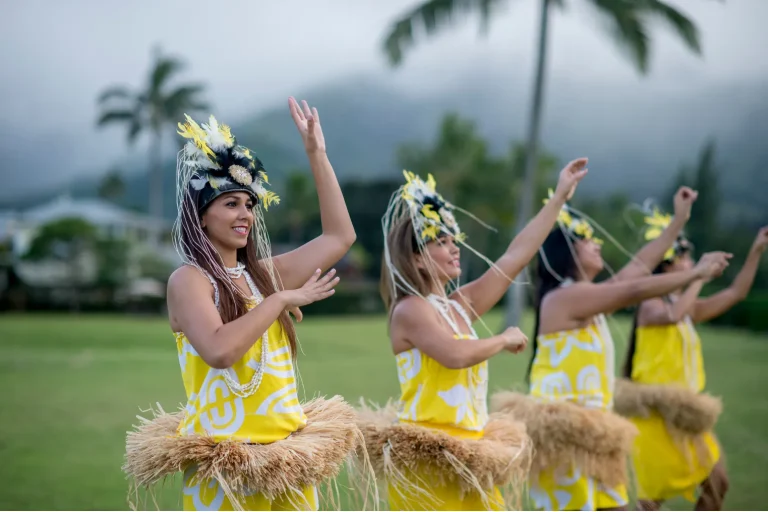
Before dinner at Toa Luau, you’ll want to arrive about two hours early so you can wander Waimea Valley, check out the botanical gardens and cultural exhibits, and maybe reach the waterfall if it’s open. Back on the lawn, you can try coconut husking, headband weaving, hula, and knife or poi ball twirling while the performers keep things moving with stories, jokes, and hands-on lessons. You’ll also catch demonstrations at the above-ground umu and a kava ceremony in the pavilion, so by the time dinner lands at your table, you’ve already seen, tasted, and learned plenty. That early arrival helps turn the outing into a perfect day trip, since Waimea Valley and the luau fit well together in one day.
Pre-Show Cultural Activities
What should you do before dinner at Toa Luau? Arrive about two hours early, because the pre-show activities start well before the buffet. Waimea Valley Luau check-in is best when you get there early enough to enjoy the full lead-up before dinner begins. You can wander Waimea Valley’s gardens, cultural exhibits, and waterfall trail, then jump into hands-on fun. The valley air already smells tropical.
- Try coconut husking and lei po’o weaving, then watch knife twirling, poi ball spinning, and quick hula lessons.
- Gather near the above-ground oven for coconut milking, coconut tree climbing, and an imu-style kalua pork demonstration explained by the MC.
- Join Polynesian games, hear stories from veteran performers, and catch the pavilion kava ceremony if you’re curious. Samples may circle the room.
It feels lively, tactile, and easy to follow, with plenty to do before you ever pick up a plate.
Umu And Kava Ceremony
Circle up in the pavilion and you’ll catch one of Toa Luau’s most interesting pre-dinner moments: the umu and kava ceremony. At the Waimea Valley cultural pavilion, you watch veteran MCs lead interactive pre-dinner cultural stations for a crowd. The umu demonstration centers on an above-ground umu, where cooks milk coconut, explain earth-oven methods, and show kalua-style cooking without using an underground imu here. Then the host begins the kava ceremony and passes samples, so you can taste a tradition that’s earthy, peppery, and a little mysterious. Some guests first arrive through a lei greeting, which adds to the welcoming atmosphere before the ceremony begins. Because only about 160 to 200 guests gather here, every crackle, smile, and explanation lands with surprising intimacy.
| You see | You hear | You feel |
|---|---|---|
| Hot stones | Stories | Curious |
| Coconut milk | Chants | Drawn in |
| Kava cups | Laughter | Connected |
Valley Exploration Time
Arrive about two hours early and Waimea Valley turns the luau into a full North Shore afternoon, not just a dinner show. Your ticket includes admission, so you can roam the botanical garden, pass ancient heiau and taro fields, and head for a waterfall swim when conditions allow. The ticket also includes valley admission, making the pre-show exploration part of the overall luau experience.
- Watch cultural demonstrations like coconut husking, hula, weaving, and poi-ball twirling.
- Spot the visible food prep, plus an above-ground umu that adds context before the imu ceremony.
- Time your trip smartly. Leave Waikiki by 3:30 for the 5:00 show, or pick the 12:30 matinee if rideshares worry you.
You’ll hear guides chatting, see performers teaching, and feel like dinner starts long before the first plate lands, with sandals dusty, camera busy, and your appetite awake already.
What Coconut Demos Will You See?
Curiously, the coconut demos give you more than a quick crack-and-pour moment. In the umu-area, you’ll watch staff tackle coconut husking, then open, grate, and press the meat into coconut milk for traditional dishes. You may also catch a nimble climber shimmy up a coconut tree to show how harvests happen before the feast.
At nearby stations, you can try simple hands-on tasks, feel rough coconut fibers, and sample fresh coconut if timing works. Performers also weave headbands and small pieces with palm fronds, showing how every part gets used. As you listen, you’ll hear practical notes about oil, shredded meat, and cream in island cooking. Some guides may even mention what is poi as another traditional island staple and explain how it’s commonly enjoyed alongside feast foods. It’s skillful, tactile, and just messy enough to be fun. You’ll leave with sandy fingers and sharper respect.
What Is the Kava Ceremony Like?
You step into the pavilion before the show and watch the MC and performers lead a kava ritual that feels calm, social, and easy to follow. They pass around small samples, and you get to taste the earthy ceremonial drink while hearing why it matters and how it’s prepared and served. If you want to join in, they’ll guide you through the simple etiquette, and it makes a memorable companion to the luau’s other hands-on demos. In keeping with luau etiquette, the experience emphasizes respectful participation and attentive listening as the ceremony begins.
Pavilion Ritual Experience
Before the main Polynesian performance begins, the pavilion settles into a quieter kind of energy as performers and the MC lead the kava ceremony with a mix of ritual, storytelling, and easy warmth.
- You sit close enough to catch the rhythm of chants and the rustle of costumes in the pavilion.
- Veteran performers, some from the Polynesian Cultural Center, explain the pre-show ritual and connect it to Hawaiian culture and wider Polynesian traditions.
- You may be invited to join the communal flow as the ceremony unfolds beside hula lessons and coconut husking, all framed by Waimea Valley’s garden calm and close-up views that make every gesture feel personal, vivid, and surprisingly intimate before the show starts for everyone watching from just a few feet.
Guests who stay attentive during this opening may also notice hula moments woven into the pavilion experience, echoing the luau’s broader emphasis on dance highlights and cultural storytelling.
Kava Sampling And Meaning
Often, the kava ceremony shifts the pavilion from casual pre-show chatter into something more focused as the host talks through what the drink means and how to receive it with respect. You watch the MC and performers explain its cultural significance, origin, and social role in traditional Polynesian life. Then the bowl comes around for kava sampling, and you take a small supervised taste, not a party pour. The drink comes from kava root and feels earthy and mildly calming. Staff guide the etiquette so you know when to accept, sip, and pass it along. If you take pictures during this part, follow respectful photography practices and wait for cues so the moment stays undisturbed. Because this happens during pre-show activities, you can move from coconut husking or hula lessons straight into this quieter moment. It teaches more than flavor, and yes, your tongue notices.
What Hands-On Activities Can You Join?
Usually, the fun starts well before dinner, when the luau opens up a string of hands-on stations that pull you right into the culture.
- Try coconut husking and weave a lei po’o headband, where you’ll feel rough fibers and see how patient hands shape something beautiful.
- Jump into hula lessons, then test your coordination with knife twirling and poi ball moves as instructors coach you through the basics.
- Gather near the imu (above-ground umu) for coconut milking and climbing demos, and watch if you’re brave enough to imagine shinnying up a palm.
You can also stop by the pavilion for kava tasting and conversation, which adds another layer of tradition before the main performance begins. The rhythms, laughter, and quick coaching keep everything moving. If you’re arriving with young kids, with a stroller is generally manageable in Waimea Valley, making it easier to enjoy the pre-show activities before dinner.
How Is Dinner Served at Toa Luau?
At Toa Luau, you stay seated while staff plate and serve dinner right to your table, so there’s no buffet line to shuffle through. You’ll get Hawaiian luau classics and familiar favorites like kalua pork, shoyu BBQ chicken, mac salad, rice with furikake, and cool haupia, with water and iced tea ready as the show moves around you. The experience is a tasting traditional Hawaiian fare that highlights the kinds of dishes guests can expect at a luau. Your package shapes the extras too, since Silver includes one drink ticket and Gold includes two, and after that you can head to the cash bar if you want another sip.
Table Service Format
Because Toa Luau keeps the guest count fairly small, dinner feels more like attentive restaurant service than a crowded buffet line. You stay seated while staff bring plated meals straight to your table, and you can watch food being finished and plated nearby.
- With table service, you won’t queue up or juggle a tray.
- The Silver Package includes table service and one drink ticket.
- The Gold Package gives you two drink tickets plus lower-level seating.
Unlike some luaus that divide guests between VIP and regular seating, Toa Luau keeps the focus on package perks like drinks and section placement rather than a large-tier seating split.
Since the luau hosts only about 160 to 200 guests, servers can move quickly and keep sightlines open from most seats. Water and iced tea arrive with your meal, and after your drink ticket is used, the bar stays available for cash or credit purchases throughout the evening too.
Menu And Drinks
Settle in and let dinner come to you, since Toa Luau serves the meal tableside instead of sending you to a buffet line. You’ll watch staff plate everything onsite, then deliver island favorites with table service. Expect Kalua Pork, Grilled Shoyu BBQ Chicken, Pupukea Green Salad, Island Mac Salad, Lomi Tomato, and white rice dusted with furikake. Dessert is house-made haupia, cool and creamy after the savory plates. Water and iced tea come with dinner, so you’re covered from the start. Your package also shapes the drinks: Silver includes one drink ticket, while Gold includes two and lower-level seating. Guests who want premium seating should note that Gold includes lower-level seating. When those are gone, the cash bar keeps things flowing, and it takes cash or credit. Waimea Valley admission is folded into the experience too.
What’s on the Toa Luau Menu?
Plates arrive one by one here, and that table-served format gives the meal a calmer, more polished feel than a buffet line. You’ll dig into a table-served dinner of island favorites plated onsite and brought straight to your seat.
Plated and brought to your table, dinner feels calmer, smoother, and a touch more polished than a standard buffet.
- Kalua Pork appears after an above-ground oven demo, though it isn’t imu-cooked on property.
- Grilled Shoyu BBQ Chicken, white rice with furikake, green salad, mac salad, and lomi tomato fill out the plate.
- Dessert brings haupia, local fruit, and white cake with coconut frosting.
Water and iced tea come with dinner. Gold guests get two drink tickets, while Silver guests get one, then the cash bar takes cards or cash. Your ticket also includes Waimea Valley admission, which sweetens the value nicely for you, too. This meal experience is part of the North Shore culture focus that helps set the Waimea Valley Luau apart on Oahu.
When Does the Show Start, and Where Should You Sit?
Dinner may arrive at an easy pace, but the timing around the show matters if you want the best seat and a little room to roam first. At Waimea Valley, the luau starts at 12:30 PM for the matinee and 5:00 PM for the evening show. The full experience runs about three hours. If you can, arrive two hours before showtime so you can catch pre-show activity and still settle in. That extra time helps with arrival tips like parking, check-in, and finding your seat without a rush. Gold seats put you closest to the stage, where drumming hits your chest and the fire-knife demo feels hotter. Silver seats sit higher with a wider view, and this intimate venue keeps most sightlines strong. Choose Gold seats for energy or upper level for breathing room and a broader look at every dance.
How Early Should You Arrive at Waimea Valley?
Ideally, you should arrive at Waimea Valley about two hours before the luau starts so you can explore without rushing and still make it to your seat on time. You’ll want to arrive about two hours before check-in ends, because Waimea Valley admission lets you wander gardens, cultural displays, and pre-show demonstrations at an easy pace. Your luau ticket also works as Waimea Valley admission, which covers entry to the valley during regular operating hours.
Plan to arrive about two hours early so you can explore Waimea Valley and settle in without feeling rushed.
- If you’re heading from Waikiki for the 5:00 PM show, leave around 3:30 PM to beat traffic.
- If you rely on rideshare or buses, the 12:30 PM matinee works better since North Shore transportation gets thin later.
- Your luau ticket includes waterfall swim access for seven days, plus time for hula lessons, coconut husking, and better Gold seating. Early birds get less stress and better views on arrival.
Frequently Asked Questions
Can You Take Photos or Videos During the Imu Ceremony?
Yes, you can take photos and videos there during the imu demonstration, but you’ll need to follow photo etiquette, respect privacy concerns, observe camera restrictions, honor flash prohibition, and comply with the venue’s recording policy.
Is the Imu Ceremony Suitable for Young Children?
Yes, you’ll likely find it suitable for young children: child participation keeps them engaged, safety concerns are minimal, there aren’t strict age restrictions, but you should consider sensory impact and plan around nap schedules carefully.
How Long Does the Imu Unveiling Portion Usually Last?
Usually, you’ll watch it last 5–10 minutes, about 3% of the 3-hour program. You can expect typical duration, ceremony timing, revealing length, process stages, and expected timing to stay brief, clear, and easy to follow closely.
Is Seating Available Near the Imu Demonstration Area?
Yes, you’ll find reserved spots near the demonstration area, including front row and graded seating. You can choose shadowed benches or wheelchair access sections, and most seats keep you close enough to watch comfortably there.
Does Rain Ever Affect the Imu Ceremony Presentation?
Yes, you’ll sometimes see rain affect it, but staff use weather contingencies, ceremonial adaptations, safety protocols, schedule adjustments, and audience sheltering, so you usually still watch the visible umu presentation unless severe storm conditions intervene.
Conclusion
At Waimea Valley, you won’t watch a hidden pit close over dinner. You’ll watch knowledge stay in the light. Hot stones glow like small suns. Coconut fibers fall in rough curls. Smoke drifts through the pavilion while stories, kava, and weaving set the scene. Arrive early, grab a good seat, and let the pre-show lead you in. By dinner, the kalua pork feels less like a mystery and more like a map to the islands.