
One minute you’re parking near a quiet botanical valley, and the next you’re being welcomed like family with a fresh lei around your neck. You catch the soft scent of plumeria or kukui as staff greet you with aloha and point you toward hula lessons, kava tasting, and the garden paths beyond. It feels easy, personal, and just ceremonial enough to make you wonder what the rest of the night has in store.
Key Takeaways
- The welcome feels intimate because the luau hosts only about 160 guests in a small pavilion inside Waimea Valley.
- Arriving early lets you enjoy botanical garden paths, taro terraces, and cultural exhibits before the main luau festivities begin.
- The pre-show atmosphere includes hula lessons, coconut husking, headband weaving, poi ball twirling, and kava samples near the pavilion.
- Live drumming, an interactive MC, and veteran performers make the greeting and opening moments feel warm, lively, and personal.
- Your ticket also includes Waimea Valley admission and waterfall access, adding more value to the arrival and overall luau experience.
What Is Toa Luau at Waimea Valley?
Step into Waimea Valley and Toa Luau feels less like a giant production and more like a warm welcome into a living cultural place. You arrive in a sacred botanical valley on Oahu’s North Shore, get a lei, and ease into three hours of Polynesian music, dance, and storytelling. Before the show, you can try hula, watch coconut husking, and see a kava ceremony up close. Because Toa Luau caps the crowd at about 160 guests, you get clear sightlines and a personal feel instead of stadium energy. Many performers come from the Polynesian Cultural Center, so the welcome carries real experience and confidence. Your ticket also includes Waimea Valley admission, plus waterfall swim access within seven days, which makes the visit feel richer overall.
Which Toa Luau Show Time Is Better?
Once you know Toa Luau offers the same intimate welcome at either performance, the real question becomes timing. Since both shows last about three hours and feature the same program, your choice really comes down to daylight and how easily you’ll get back. The matinee show at 12:30 PM is the smarter pick if you use rideshares or public transit. You’ll have better post-show options and less chance of staring at your phone while North Shore pickup times crawl. It’s also easier to arrive two hours early, wander Waimea Valley, and catch the waterfall when it’s open. Waimea Valley Luau check-in is easiest when you plan to arrive early enough to enjoy the valley before the show begins. The 5:00 PM show works too, but you’ll need to leave Waikiki around 3:30 PM to dodge traffic. For most visitors, midday feels smoother, brighter, and simpler.
How Do You Get to Toa Luau?
Getting there is pretty simple, but you do need to plan ahead. From Waikiki, you’ll drive or grab a taxi or Uber to Waimea Valley, since no luau transportation is provided. Expect 45 to 60 minutes, longer near rush hour. The luau takes place on Oahu’s North Shore, at Waimea Valley.
| Option | What to know | Best for |
|---|---|---|
| Drive | Free parking at Waimea Valley | Flexibility |
| Uber/taxi | Easy drop-off, fewer evening rides back | Convenience |
| Bus | Better for the 12:30 PM matinee | Budget travelers |
If you’ve got the 5:00 PM show, leave Waikiki around 3:30 PM. Your luau ticket also includes Waimea Valley admission, so you can arrive up to two hours early, wander the paths, and even see the waterfall before dinner. That extra time makes the trip feel smoother, and timing won’t feel like a gamble.
What Makes Waimea Valley So Special?
You step into a sacred North Shore valley where Hawaiian hales, taro fields, a botanical garden, and an ancient heiau give the lei greeting real cultural weight. You also get a more intimate luau, since the setting stays small at around 160 guests, so the welcome feels personal instead of packed and rushed. If you arrive early, you can wander the exhibits and lush paths before the first flower touches your shoulders, and that mix of culture and nature is exactly what makes Waimea Valley stand out. It also helps to check tickets and hours before you go, so you can make the most of your time in the valley.
Still comparing Oahu Luau?
Ask for tour ideas, hotel suggestions, or a simple trip plan that combines both.
Trip Helper
Sacred Valley Setting
In Waimea Valley, the setting does a lot of the storytelling before the first lei even touches your shoulders. You step into a sacred landscape where traditional hales, taro lo‘i, a botanical garden, and an ancient heiau give the welcome real weight. If you arrive early, your ticket opens more than the luau gate. It gives you time to explore Waimea Valley and connect the greeting to the place. Arriving early also gives you time to explore the botanical garden before the luau begins.
- Walk past native and Polynesian plantings.
- See taro terraces still under careful stewardship.
- Visit cultural exhibits before dinner begins.
- Head toward Waimea waterfall for one more wow.
Intimate Luau Atmosphere
Often, what makes Waimea Valley feel so special is its scale. This luau hosts only about 160 guests, so you don’t feel lost in a crowd. Nearly every seat has a clear view, and the performers seem close enough to read your reactions. If you book Gold seating, you’re right by the stage on the lower level, and the fire-knife finale can warm your face. That closeness shapes the whole evening. You watch food being prepared on site. Staff bring table service without fuss. The MC chats easily with the crowd, and veteran performers lead greetings and demos that feel personal, grounded, and invigoratingly un-touristy. Even the lei exchange feels like a welcome, not a conveyor belt photo stop for strangers passing through. Set on Oahu’s North Shore, the setting adds a distinctly relaxed and culturally rooted atmosphere to the night.
Culture And Nature Combined
Because the luau sits inside Waimea Valley itself, the evening feels less like a standalone show and more like a walk through living Hawaiian history. You wander past hales, taro fields, a botanical garden, and an ancient heiau, so the lei greeting already feels rooted in place.
- Arrive two hours early and you can explore the valley and waterfall, if it’s open.
- In the small garden venue, you watch hula lessons, coconut husking, and a kava ceremony up close.
- Your ticket includes valley admission, worth about $26.50, and a later waterfall swim option.
- Even dinner connects to the landscape, since you see food prepared on-site and served at your table.
It feels cultured, leafy, and invigoratingly un-staged. You get scenery with substance, not just selfies. It also makes a perfect day trip easy, since you can pair time in Waimea Valley with the luau in one day.
What Happens When You Arrive at Toa Luau?
Show up at Toa Luau a couple of hours early, and your evening starts long before the first drumbeat. At check-in, staff note that your ticket includes Waimea Valley admission and a waterfall swim option you can use within seven days. This added Waimea Valley admission lets you explore more of the area as part of the luau experience. Then you step into a small pavilion tucked inside the sacred valley, where only about 160 guests gather, so the mood feels personal instead of packed.
Before the luau starts, staff or performers place a lei around your neck and guide you to your table. Gold seating puts you closest on the lower level. As you settle in, performers and the MC welcome everyone, and staff begin tableside food service. Soon kava samples circle during a traditional ceremony, in the open-air pavilion there.
What Can You Do Before the Show?
The fun starts well before the first chant, especially if you arrive up to two hours before the 12:30 p.m. matinee or 5:00 p.m. evening show. You can wander Waimea Valley’s botanical garden, taro fields, Hawaiian hales, and cultural exhibits before the lei greeting, then head near the pavilion for hands-on cultural activities. These pre-show activities are included with the luau experience and help set the stage for what’s to come.
- Try coconut husking, headband weaving, poi ball twirling, or a quick hula lesson.
- Sip kava during the traditional ceremony as portions circle the pavilion.
- Watch the above-ground umu area for coconut milking and tree-climbing demos.
- If time and conditions allow, walk toward the waterfall or plan another valley visit within seven days.
You’ll see more, hear more, and probably work up an appetite. It’s the best kind of pre-show homework, honestly.
Where Should You Sit at Toa Luau?
You’ll get the closest sightlines in Gold on the lower level, where you can feel the heat from the fire-knife dancing and catch more of the performers’ energy. Silver still gives you a solid view, and because the venue is small, even the higher rows don’t feel far from the action. Waimea Valley also offers premium seating for guests who want an upgraded luau experience. If you want the best seat choice, book two to three weeks early and arrive two hours ahead so you can ask for a lower-level table before the conch shell calls everyone in.
Gold Vs Silver Seating
Pick your perch carefully, because seat choice changes the feel of Toa Luau more than you might expect.
- Choose Gold if you want to sit closest to the stage. You’ll catch more drumbeats in your chest and feel real heat during the fire-knife dance.
- Pick Silver if you’d rather save a little money. Those upper-level seats often sell out first, so book early.
- Gold also includes two drink tickets, while Silver includes one. If you’ll sip while watching, Gold can be the better value.
- Don’t stress too much. In this small 160-guest venue, both tiers have solid sightlines. If you’re planning the evening show without a car, weigh North Shore transit limits and consider the matinee instead for easier logistics after dark there.
At other island luaus, including VIP and Regular Seating setups at Waimea Valley Luau, the main tradeoff is similarly proximity versus price.
Best Views By Section
Front row energy defines the best views at Toa Luau, and Gold seats on the lower level put you right in it. You get top notch close-ups of dancers, louder drumming, and even a little fire-knife heat on your face.
| Section | View | Feel |
|---|---|---|
| Gold lower | Closest stage detail | Most immersive |
| Silver upper | Clear full-stage sightlines | Relaxed but lively |
In this compact venue, about 160 guests, Silver still gives you very good visibility. This matches what many consider the best seats for taking in the Waimea Valley Luau experience. You can easily follow cultural demonstrations and watch on-site food prep without squinting. Gold simply adds prime proximity and richer atmosphere. The lower section feels electric. Silver still lets you see the show clearly and enjoy every beat from every section. You won’t miss the action, even from the upper tier either.
Seat Choice Tips
Settle in with Gold seating on the lower level if you want the most vivid version of Toa Luau.
- You’ll sit closest to the stage, feel the fire-knife heat, and get two drink tickets.
- Want more immersion? Pick lower-level tables, where you can watch food prep, catch cultural demos, and see servers plate dinner tableside.
- Silver seats still work well, since this small venue holds about 160 guests and keeps sightlines clear even up high. They often sell out first, so book 2 to 3 weeks early, or sooner in summer.
- For easier rideshare or bus timing, choose the 12:30 PM matinee and seats nearer the front so you can exit quickly before North Shore evening transport gets tricky after the final drumbeat fades.
- If you’re driving, review Waimea Valley parking tips ahead of time so arrival and departure feel smoother on luau night.
What Food Is Served at Toa Luau?
One of the nicest surprises at Toa Luau is that dinner feels generous and personal, because staff serve it right to your table instead of sending you through a buffet line. You get classic luau staples like kalua pork, grilled shoyu BBQ chicken, white rice with furikake, Pupukea green salad, island mac salad, and bright lomi tomato. You can also spot food being prepared and plated onsite, which adds a lively, just-made feel without slowing things down. They also offer vegetarian and gluten-free options, which makes the meal feel more inclusive for different dietary needs. Dessert keeps the island mood going with house-made haupia, local fruit, and white cake with coconut frosting. Water and iced tea sit on your table, and your ticket also includes drink tickets at the bar. Plus, Waimea Valley admission comes built in for a nice extra perk.
How Authentic Is the Toa Luau Show?
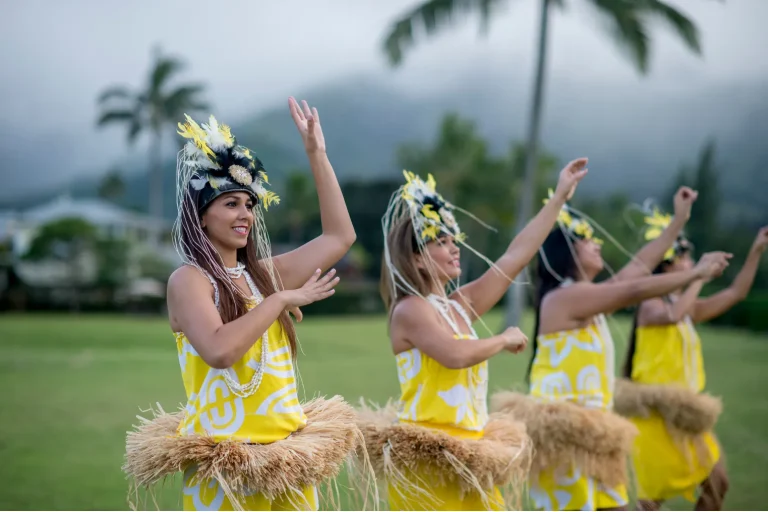
After a dinner that already feels more personal than most big luaus, the show keeps that same close-up spirit and gives you a stronger sense of real Polynesian tradition. You notice the difference fast because several performers trained at the Polynesian Cultural Center, so the dancing looks polished without feeling canned.
- You see dances from major island groups, not just Hawaii.
- You hear live drumming that shakes the air and raises the energy.
- You get coconut husking, hula lessons, a kava ceremony, and MC stories that explain what you’re watching.
- You watch an above-ground umu demo and visible food prep in a small crowd of about 160, which makes the whole night feel grounded, intimate, and invigoratingly human instead of like a theme park.
The evening often builds toward a fire knife dance, which adds a high-energy Samoan finale to the cultural performances.
How Much Does Toa Luau Cost?
You’ll usually start with the Toa Luau Silver Package at $135 per person, while kids ages 0 to 4 get in free and the Gold Package costs more for extra perks. If you want closer lower-level seating and two drink tickets instead of one, Gold can feel worth it when the drums start and the stage action pulls you in. You also get Waimea Valley admission and waterfall swim access within seven days, so you’re not just booking dinner and a show, you’re stacking in extra value. Ticket prices can also vary based on cost factors like package level and included perks.
Ticket Package Pricing
Start with the Silver Package at $135 per person, and the value gets more interesting the closer you look.
- You get table service, which means less waiting and more time watching the drums and sunset colors.
- Silver includes one drink ticket, and Gold includes two. After that, you can buy extras at the cash bar with cash or credit.
- Your ticket also covers Waimea Valley admission, worth about $26.50 per person, plus a seven-day pass to return for the valley and waterfall.
- If you’re traveling with tiny kids, children ages 0–4 get in free, which can soften the family total nicely.
That valley access feels like a bonus if you want to turn one festive night into a second outing. If you’re planning ahead, checking the best time to book can help you lock in your preferred date before spots fill up.
Gold Vs Silver
The choice comes down to how close you want to be to the action and how many perks you want in hand when the night begins. Silver starts at $135 per person. You get table service and one drink ticket, and kids 0 to 4 enter free.
Choose the Gold Package if you want lower-level seating near the stage and two drink tickets. Those tickets cover house drinks. After that, you can use the cash bar, which takes cash or credit card and pours local beers on draught. Gold seating usually gives you the best sightlines, so you catch more facial expressions, sharper costume details, and even the warm blast from the fire-knife finale. Some visitors feel the VIP Experience is worth it mainly for those closer views and added perks. Silver seats sit higher up, which still works well if you don’t mind distance.
Booking Value Tips
Price matters, but the smarter question is what your ticket actually covers.
- Silver starts at $135 per person, which already puts this among memorable tours and activities on Oahu.
- Gold costs more, but you sit closer on the lower level and get two drink tickets instead of one.
- Kids ages 0 to 4 are free, so families with little ones can save real money.
- Every ticket also includes Waimea Valley admission, worth about $26.50, plus a waterfall swim within seven days.
That bonus access changes the math. You aren’t just paying for dinner and a show. You’re getting a valley day too. After your included drinks, the cash bar takes cash or credit, so ordering another mai tai is easy for most travelers there. When comparing prices, look for legit discounts so you can tell real Waimea Valley Luau ticket deals from misleading offers.
Frequently Asked Questions
Can Guests Choose Between Flower Leis and Kukui Nut Leis?
Yes, you can usually choose between flower leis and kukui nut leis. Ask early at check-in or when you’re greeted, since Lei options depend on supply. Flower leis photograph beautifully; kukui nut leis last longer.
Are Leis Included in Every Ticket Type?
Yes, you’ll get a lei with Silver, you’ll get a lei with Gold, and even your free 0–4 child gets one. Leis inclusion comes with admission during pre-show activities, so you won’t need any separate purchase.
Can Children Receive a Lei Greeting Too?
Yes, your children can receive a lei greeting too. Child participation includes all ages, even free infants and toddlers. Arrive early so they’re welcomed, and tell staff if you’d rather skip a lei for safety.
What Happens to the Lei After the Luau Ends?
After the luau, you’ll usually keep your lei, many guests wear it through the full three-hour event, then take it home, store it before swimming, or handle Leis disposal responsibly in trash or compost at home later.
Are the Leis Handmade or Locally Sourced?
Likely yes, you’ll receive leis with Handcrafted origins, probably made or sourced locally to fit the luau’s cultural focus. While sourcing isn’t confirmed, you can expect selections that reflect Hawaiian hospitality, authenticity, and the valley’s traditions.
Conclusion
You leave Toa Luau with more than full plates and phone photos. You carry the soft scent of plumeria, the slap of drums, and the memory of a warm lei greeting at the gate. Waimea Valley makes the night feel rooted, not rushed, with gardens, stories, and a waterfall walk folded into the fun. If you want a luau with real place and polished rhythm, you’ll likely leave smiling, sandy, and slightly spoiled for sure.